
Colonoscopy is a procedure that allows a doctor to examine the inner lining of the large intestine using a flexible instrument equipped with a camera. It is commonly recommended to investigate changes in bowel habits, rectal bleeding, persistent diarrhoea, unexplained abdominal discomfort, and other symptoms related to the colon.
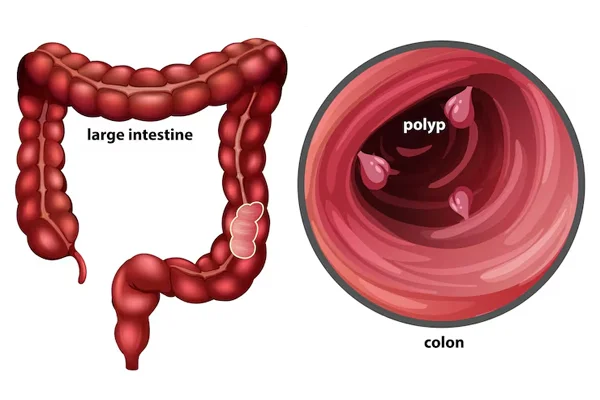
During the examination, the doctor may identify inflammation, ulcers, abnormal growths, or polyps. A polypectomy involves removing polyps from the colon during the procedure. Polyps are tissue growths that are often non-cancerous, although some types can develop into colorectal cancer over time.
Removed tissue may be sent to a laboratory for microscopic examination. Colonoscopy can therefore help diagnose intestinal conditions, remove selected abnormal growths, and support colorectal cancer prevention. Proper bowel preparation is essential for obtaining a clear view of the colon.