
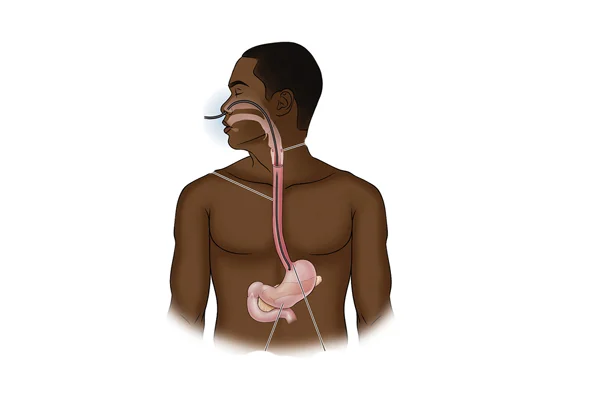
Manometry is a diagnostic test that measures pressure and muscle coordination within parts of the digestive system. It helps evaluate how effectively specific muscles contract and relax during swallowing or bowel movements.
Esophageal manometry measures the muscle contractions of the oesophagus and the function of the lower oesophageal sphincter, which helps prevent stomach contents from flowing back into the oesophagus. It may be recommended for individuals experiencing difficulty swallowing, unexplained chest discomfort, or symptoms suggesting an oesophageal motility disorder. The results can help identify conditions such as achalasia and other motility abnormalities.
Anorectal manometry evaluates the muscles and nerves responsible for controlling bowel movements. It measures pressure in the rectum and anal sphincter and assesses coordination during simulated defecation. This test may help investigate chronic constipation, difficulty passing stools, and certain types of faecal incontinence.
Both procedures provide functional information that may not be apparent through routine imaging or visual examinations. The findings help guide further evaluation and treatment planning.