
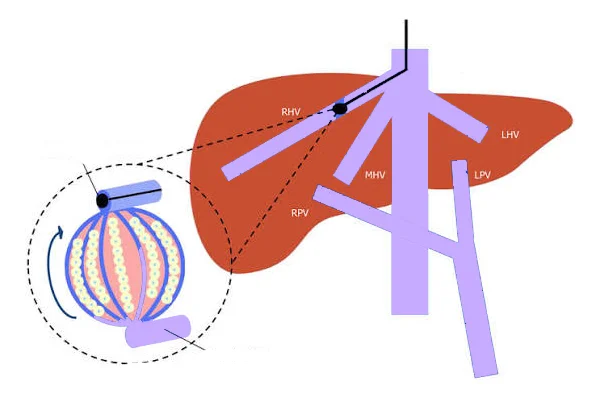
Hepatic venous pressure gradient (HVPG) measurement is a specialised procedure used to assess pressure differences within the liver's venous circulation. It is particularly useful in evaluating portal hypertension, a condition in which pressure increases in the blood vessels that carry blood to the liver.
The procedure generally involves inserting a catheter into a vein, usually through the neck, and guiding it into a hepatic vein. Pressure measurements are taken under different conditions to calculate the gradient between wedged and free hepatic venous pressures.
HVPG measurement can help assess the severity of portal hypertension associated with chronic liver diseases, including cirrhosis. It may also assist in evaluating the risk of complications, monitoring disease progression, and assessing the response to certain treatments.
The procedure is performed by trained specialists using appropriate monitoring and imaging guidance. Its results are interpreted alongside clinical findings, blood tests, and imaging studies to support a comprehensive assessment of liver disease.
Note: These descriptions are original informational drafts. They explain the purpose and general process of each procedure without replacing individual medical advice.