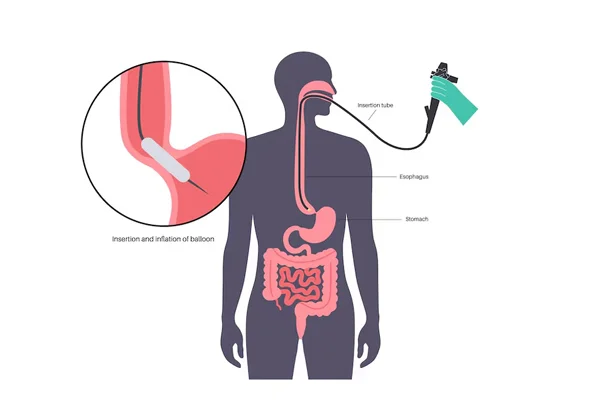
Esophageal stricture dilatation is a procedure used to widen a narrowed section of the oesophagus, the muscular tube that carries food and liquids from the mouth to the stomach. Narrowing can occur because of scar tissue, chronic acid reflux, inflammation, previous injury, or certain other medical conditions.
The procedure is commonly performed using endoscopic guidance. A specialised balloon or dilating instrument is carefully used to widen the narrowed area. The aim is to improve the passage of food and liquids and reduce symptoms such as difficulty swallowing or the sensation of food getting stuck.
Some patients may require more than one dilatation session, depending on the severity and underlying cause of the narrowing. Treatment of the underlying condition may also be necessary to reduce the likelihood of recurrence.
After the procedure, patients are monitored for discomfort and potential complications. Severe chest pain, breathing difficulty, fever, or significant bleeding following dilatation requires urgent medical assessment because these symptoms may indicate a complication.